



Sailings on the Far East–Arabian Gulf trade lane surged in 2023 before settling into a structurally higher operating range through 2024 and 2025, according to analyst Esgian, underlining the corridor’s growing strategic importance for the heavy lift and multipurpose shipping sector.
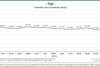
Following post-pandemic normalisation in 2022 when there were 108 recorded MPP sailings, activity accelerated sharply in 2023 to 190 – roughly 16 per month. This rapid expansion was driven by robust trade demand and strong project activity into the Gulf.
Volumes eased back in 2024, with 167 sailings. Esgian said that activity remained well above 2022 levels, suggesting the market had reset rather than retrenched. That pattern continued into 2025: by September, 133 sailings had already been recorded, equating to around 15 per month and broadly in line with 2024 levels. That downward adjustment mirrors reports in HLPFI’s latest Middle East Gulf report: the Saudi Arabian market remains strong if not quite hitting the highs of 2023, while the UAE has emerged as the region’s key hotspot.
NYK Bulk & Projects is the dominant player on the lane, peaking at 41 sailings in 2023 before easing back in 2024. In 2025, it had logged 26 sailings by the third quarter of the year.
COSCO Heavy followed a steadier growth trajectory, expanding through 2024 before moderating in 2025.
Nanjing King, HMM and Hannsy also expanded sharply in 2023; Esgian noted that activity softened thereafter, but their deployment levels remain structurally higher than in 2022, indicating a more permanent step-up in Far East–Gulf engagement. By contrast, JSI Alliance recorded a pronounced one-off spike in 2023 followed by a sharp pullback, suggesting more opportunistic rather than committed deployment. Esgian added that Chipolbrok and ECL are also increasing in prominence on the route.
While the post-2023 surge in activity may have cooled, the Far East-Arabian Gulf corridor has entered a phase of sustained, higher baseline activity, which is being shaped by capital projects and specialised cargo demand rather than short-cycle volatility.