Sustainability is now a staple of any forum in the transport sector, but a thought-provoking session at the 73rd THLG International Conference showed the value of subject-specific expertise.
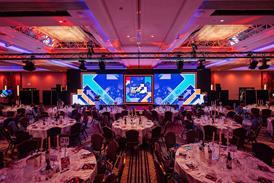
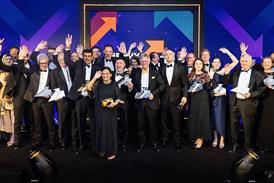
The two-day event, which took place in Kuala Lumpur, Malaysia during November, brought together project cargo logistics interests from 22 countries. The Future Proofing Supply Chains – Sustainability in Cargo and Logistics session explored how to overcome some of the sustainability challenges facing project logisticians in the region.
The panel session included contributions from Nick Chapman, regional director and head of cargo and logistics Asia at Aon; Marco Tieman, ceo of LBB Teams; and Laurance Langdon, general manager at Dubai-based MFC Group.
Chapman said that the biggest barrier to greater sustainability in the region relates to supply chain complexities, including the contrasting regulations, definitions and standards used. Even neighbouring countries can take different approaches where suppliers or subcontractors are concerned, he said.
“Projects tend to be large movements across long distances with multiple modes of transportation. Trying to quantify the carbon footprint for a move all along a trade lane is very hard to get to grips with.”
Urban lessons
Tieman said progress had been made by leading economies in Asia but added that, “the institutional framework needs to be put in place for every country in Asia”. He cited lessons learned in urban logistics in Asia as a potential signpost when project cargo interests sought to enhance sustainability.
“You need to simplify sustainability, otherwise it doesn’t work,” he said. Urban consolidation centres have been one way of forcing companies to work together by design. Schemes in Japan, India and Thailand use temporary storage areas as a transition point for cargo coming from the highways and entering the city.
Clustering in industrial zones can help factor sustainability in by design, with energy use, waste policies and water management contributing to reducing a project’s carbon footprint. “Singapore and Hong Kong have been very good at putting an industrial supply chain together, by using a single location to simplify transportation and storage and creating a hub for innovation,” said Tieman.
However, for change to be successfully implemented, direction must come from the top. Langdon underscored the importance of decisive leadership to accelerate sustainability in logistics and the need for a clear understanding of the environmental impact of operations – in particular the damage being caused to the world’s oceans.
“If the people at the top are not educating and leading the way, then nothing much is changing. And that can be from world leaders all the way down to company managers.
“One of the good things about the UAE, is that the government doesn’t change every four years. They can set a long-term strategy, and they don’t really deviate from it. If you live in the UAE, you are very aware of the efforts and goals being set for a sustainable future. Everybody is involved, from schools to workplaces, and everyone is talking about it.”
Langdon also noted that Requests for Quotations (RFQs) are increasingly including sustainability as an important factor in the final decision. He drew a parallel between the attitudes of some towards sustainability and the resistance facing the introduction of ISO:9000 in the 1990s. Today, he noted, logistics companies need ISO:9000 accreditation to operate. In the future, a similar consensus would prevail with respect to sustainability.
Sustainability is here to stay
Chapman picked up the way sustainability is an ever-present theme to reflect on some of the efforts being made by marine insurers to work with clients in support of greater sustainability in transport. “Some insurers are specialising and trying to work with clients on sustainability products or viewing clients that have an awareness and strategy around sustainability in a different light.”
Addressing the logistics service providers in the room, he added: “As the broker, we sit in the middle between your business and the insurance capital. Our role is to present the best version of you and match it to the risks you want to transfer out rather than manage within your own operations.
“And for some insurers, it definitely makes a difference if we can present that sustainability or ESG is part of that.”