





The biggest unknown for 2026 is understanding what impact shipping’s return to the Suez Canal and Red Sea will have on freight rates amid a period of rapid tonnage deliveries in the container sector, according to Justin Archard, shipbroker and publisher of the One World Market Sentiment Index (MSI) for the MPP and breakbulk shipping industry.
He points out that Maersk recently announced its return to Suez transits, opening the way for others to follow. “Multipurpose carriers may be among the last to return with shippers of high-value and critical-path cargos maintaining an influence on trade routings as risk managers continue to err on the side of caution.”
Archard states that the actual and nominal capacity increase will have a negative impact unless trade volumes increase sufficiently. World GDP growth for 2026 has been revised upwards in recent months by the IMF, suggesting some of the impact may be absorbed. But a sense of jeopardy lingers given market disruptions arising of US policymaking.
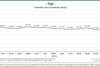
The 20th edition of the Market Sentiment Index (MSI) for the MPP and Breakbulk Industry, due to be published by One World Shipbrokers at the end of January, highlights a positively minded industry that has become robust and resilient to volatility, said Archard. “Power generation, renewables and petrochemical sectors will lead constructive demand from the project cargo sector in 2026 and mining related equipment is set to increase its prominence during the year as a new commodity bull cycle builds.”
He believes that general MPP and breakbulk trades will face a growing threat from the container sector, as rates fall and shippers look to take advantage by stuffing breakbulk into containers. However, “nimble carriers with versatile tonnage, flexible schedules, creative solutions and secondary ports access should be insulated from the worst of the developing threats. Barring any black swans, the MPP sector is poised for a solid year.”